
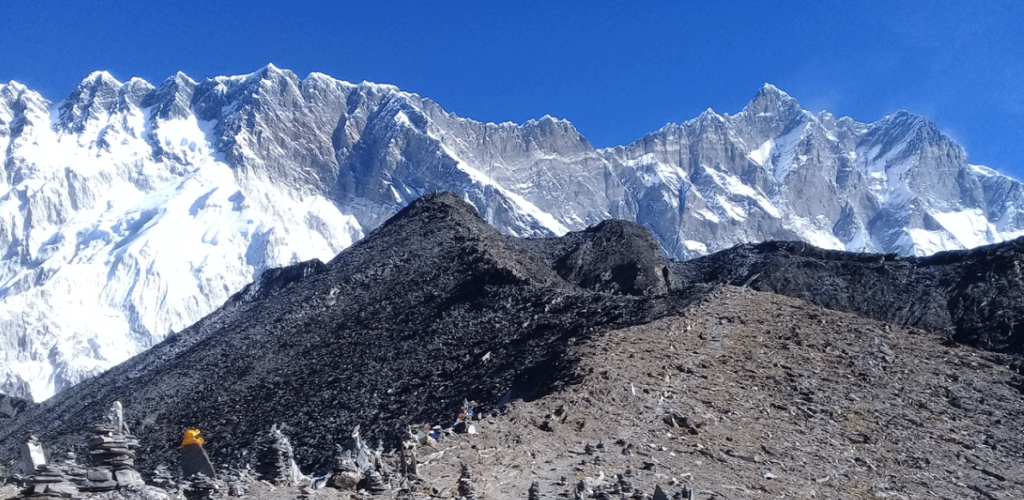

Introduction to a Big Dream Journey
The Everest Base Camp Trek is one of the most famous adventures in the whole world. People from many countries come here to see big mountains, feel cold air, and touch the heart of the Himalaya. It is not just a trek; it is like a life memory. The journey goes through small villages, high bridges, rivers, and snow paths. Sometimes easy, sometimes very hard, but always beautiful.
This trek gives you a chance to see Mount Everest very close. The tallest mountain on Earth. That feeling is very powerful. You walk slow, breathe deep, and enjoy every step. It is not about reaching fast; it is about feeling everything on the way.
What is the Everest Base Camp Trek?
The Everest Base Camp trek is a walking journey in Nepal. It takes you to the base of Mount Everest. The height is around 5,364 meters. This is a very high place. Air is thin, weather is cold, but views are unbelievable.
The trek usually starts from Lukla. A small airport in mountains. From there, trekkers go step by step to Namche Bazaar, Tengboche, Dingboche, and finally Everest Base Camp. Every place has its own beauty. Every day brings a new experience.
Why This Trek is So Special
This trek is special because it is not only about mountains. It is about culture, people, and nature. You see Sherpa villages, Buddhist monasteries, and prayer flags flying in the air. You hear wind, river sound, and sometimes complete silence.
Also, you see very big peaks like Everest, Lhotse, and Nuptse. These mountains look like giants standing in the sky. It makes you feel small but also strong.
Best Time to Do Everest Base Camp Trek
- Choosing the right time is very important. The best seasons are spring and autumn.
- In spring, the weather is a little warm, and flowers bloom. Trails look colorful. Sky mostly clear. Good for photos.
- In autumn, the sky is very clean. You can see mountains very clear. The temperature is cold but manageable.
- Winter is very cold. Snow makes the trek hard. Summer is rainy. Trails become slippery. So better avoid these seasons if possible.
Trek Duration and Distance
The Everest Base Camp Trek usually takes around 12 to 14 days. Some people do it faster, some slower. It depends on fitness and plan.
The distance is around 130 kilometers round trip. But it is not easy walking. Because of altitude, even small distances feel long.
You walk 5 to 7 hours per day. Sometimes more, sometimes less. Rest days are also important for body adjustment.
Difficulty Level of Trek
This trek is moderate to difficult. It is not for complete beginners without preparation. But also not impossible.
The main challenge is altitude. As you go higher, oxygen becomes less plentiful. You feel tired quickly. Headaches and dizziness can happen. So acclimatization is very important.
Physical fitness helps a lot. If you can walk long distances, you can do this trek. Mental strength is also needed.
Route Highlights and Key Places
Lukla – The Starting Point
The journey begins from Lukla. The flight itself is an adventure. Small plane, big mountains around. After landing, the trek starts slowly.
Namche Bazaar – The Heart of Khumbu
Namche is a busy village. Many shops, cafes, and lodges. Good place to rest and adjust the body. You can see the first view of Everest from here.
Tengboche Monastery
This place is peaceful and spiritual. Big monastery with mountain background. You feel calm here.
Dingboche and Lobuche
These places are at higher altitudes. The landscape becomes dry and rocky. Walking becomes harder. But views become more dramatic.
Everest Base Camp
Finally, you reach the base camp. No big summit view, but the feeling is amazing. You stand at the foot of Everest. You feel proud.
Kala Patthar
This is the best viewpoint. From here, you see Everest clearly. The sunrise view is unforgettable. Golden light on snow peaks.
Accommodation and Food
During the trek, you stay in tea houses. These are simple lodges. Rooms are basic but comfortable. Food is mostly local and simple. Dal Bhat, noodles, rice, soup, and tea. Energy food is important. Prices increase as you go higher. Hot water, charging, and WiFi may cost extra. So be ready for a simple lifestyle.
Packing List for Trek
Packing the right things makes the journey easy.
- Warm clothes (jackets, gloves, hats)
- Good trekking shoes
- Sleeping bag
- Water bottle
- Snacks and energy bars
- First aid kit
- Sunglasses and sunscreen
Do not carry too much. Keep the bag light. Only important items.
Altitude Sickness and Safety
- Altitude sickness is a serious risk. You must be careful.
- Go slow. Drink water. Take rest days. Do not rush.
- If you feel a strong headache, nausea, or breathing problem, go down immediately. Safety is more important than reaching base camp.
- Guides are helpful. They know the route and conditions. A hiring guide is a good idea.
Cost of Everest Base Camp Trek
- Cost depends on many things. Budget, guide, flight, gear.
- The average cost can be between $1000 and $2000. This includes permits, accommodation, food, and flights.
- If you go with an agency, the cost may be higher. Solo trekking can be cheaper but needs good planning.
Permits Required
You need permits for trekking.
- Sagarmatha National Park Permit
- TIMS Card
These are important for entry and safety records.
Culture and Local Experience
Sherpa people are very friendly. They help trekkers and share their culture.
You see prayer wheels, mani stones, and monasteries. Respect local traditions. Walk clockwise around religious sites.
This trek is also a cultural journey, not only physical.
Tips for Successful Trek
- Start training before the trek. Walk daily and build stamina.
- Stay hydrated. Drink water often.
- Eat properly. Energy is needed.
- Sleep well. Rest is important.
- Keep a positive mindset. Hard moments will come, but they pass.
Why the Everest Base Camp Trek is Worth It
- This trek gives you something special. Not just photos, but feeling.
- You learn patience. You understand nature. You connect with yourself.
- Standing at Everest Base Camp is not just an achievement; it is emotion. A big moment.
Conclusion
The Everest Base Camp Trek is the ultimate adventure journey. It is challenging, beautiful, and life-changing. You walk through mountains, meet new people, face difficulties, and become stronger. This trek is not easy, but it is worth every step. If you dream big, this journey is for you.
FAQs
How long is the Everest Base Camp Trek?
It takes around 12 to 14 days normally.
Is the Everest Base Camp Trek difficult?
Yes, it is moderate to difficult because of the altitude.
Do I need a guide for this trek?
Not required but highly recommended for safety.
What is the best time for a trek?
Spring and autumn are the best seasons.
How much does it cost?
Around $1000 to $2000 depending on plan.
Is altitude sickness common?
Yes, many trekkers feel it, so go slow.
Can beginners do this trek?
Yes, with preparation and a good fitness level.


